
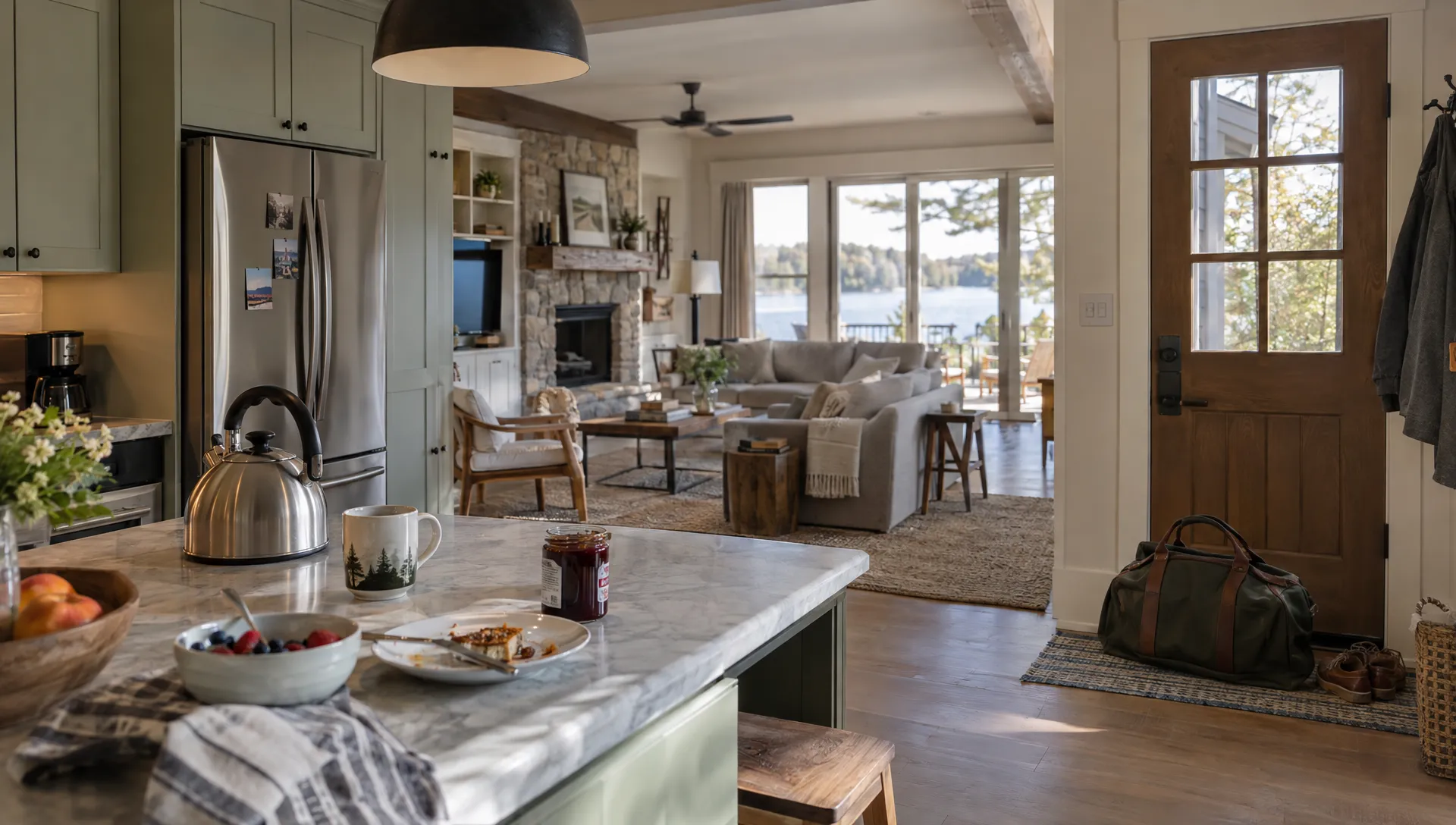
How to Market a Second Home With Real Estate Video
Second home real estate marketing has to do two jobs: make a property desirable and make ownership understandable. A buyer considering a weekend retreat may be several hours away, unfamiliar with the area and reluctant to book a viewing without practical answers.
Video can close that information gap, but only if it shows more than attractive rooms. For agents, the goal is to help buyers assess the lifestyle, the logistics and the next step before they travel.
Sell a workable ownership scenario, not a vacation fantasy
Choose one primary use case before writing the script: weekend visits, extended seasonal stays or a possible future move. The same property can support several needs, but a short video works better when its opening has a clear purpose.
For a weekend-focused campaign, show the route from arrival to settling in: parking, entry, storage and the main living space. For seasonal stays, give more attention to workspace, laundry and everyday services. Describe those features without suggesting that the home is intended only for a particular age group or family type.
Ask the seller which features matter when they arrive, leave and manage the home from elsewhere. Their answers become a useful starting brief, not verified claims.
What should a second home real estate video show?
Build a roughly 60-second introduction around three priorities: the reason to visit, the experience of staying and the realities of ownership. This is an editorial starting point, not a platform requirement.
| Approximate timing | What to show | What the buyer should learn |
|---|---|---|
| 0–5 seconds | The property's strongest genuine feature | Why this home deserves attention |
| 5–18 seconds | Arrival, entrance and main living area | How a visit begins and how the spaces connect |
| 18–33 seconds | Bedrooms, kitchen and outdoor space | How the property supports an actual stay |
| 33–48 seconds | Relevant storage, access or maintenance features | What ownership may involve between visits |
| 48–60 seconds | A closing property view and clear next step | How to request details or arrange a viewing |
Open with something specific, such as a covered terrace or direct access to a maintained trail, if verified. Avoid leading with a logo animation while the property's strongest feature waits offscreen.
Use captions to identify rooms and clarify details that the footage cannot establish. Narration should explain why a feature matters rather than repeat the caption word for word. Keep detailed fees and restrictions in an accompanying information sheet so the video remains readable.
Replace lifestyle promises with verifiable evidence
For second home real estate campaigns, practical evidence makes the lifestyle story credible. “Easy weekend escape” is a promise; showing the parking arrangement, entry steps and distance to essential services gives buyers something they can evaluate.
Verify access rights before describing a property as waterfront, ski-accessible or beach-accessible. Distinguish a view from an ownership right, shared access from private access and a nearby amenity from one included with the property.
Seasonality deserves the same care. Footage captured in summer does not establish year-round road access, winter conditions or water levels. Identify when footage was recorded if the season materially affects what buyers are seeing. Do not use editing to conceal a neighboring structure or turn a partial view into an unobstructed one.
When flood exposure is relevant, direct buyers to the property's applicable information through the FEMA Flood Map Service Center. A map is not a substitute for property-specific disclosures or an insurance quote.
Keep a simple record of each consequential claim, its source and the date checked. HOA fees, rental rules, maintenance arrangements and insurance information can change. Attribute estimates clearly and avoid presenting seller recollections as guarantees.
Help remote buyers decide whether to travel
A second home real estate video should reduce the uncertainty that stops an interested buyer from booking a visit. Attractive footage creates interest; a clear understanding of the property makes that interest actionable.
Show spatial relationships whenever possible. A continuous passage from the living room to the terrace communicates more than unrelated close-ups. Include relevant stairs, the approach from parking and transitions between buildings rather than cutting around them.
If the video is assembled from still photos, describe it as a photo-based listing video rather than a continuous walkthrough. Animated camera movement cannot establish room dimensions, circulation or sightlines that the source photographs do not show.
Give the buyer a useful next step. Instead of “Contact me for more,” offer a specific resource: a floor plan, current ownership information or a live remote tour focused on their questions.
A reusable closing script could be:
“Want to see how this property would work for your stays? Request the floor plan and current ownership details, then book a live video tour. We can look more closely at access, storage and any spaces you want to understand before arranging an in-person visit.”
The follow-up conversation should establish intended use and timing, not pressure the buyer to travel before their basic questions are answered.
Use AI for production, not property claims
AI can make second home real estate video production more repeatable, especially when an agent needs several versions of the same listing. The factual brief should still come before the generated script.
Prepare a source folder containing current photographs, approved property details, the floor plan and any confirmed ownership information. Separate verified facts from items awaiting confirmation. An unanswered question should remain unanswered rather than become confident narration.
Diane can create narrated property videos from listings, photos and details, with options including AI avatars, voice cloning, multilingual support and custom branding. Its production features can help turn an approved brief into publishable assets without requiring a new on-camera recording for every version.
Review the result against the source material. Check room labels, pronunciation, captions and the relationship between each spoken claim and the image onscreen. Use cloned voices and likenesses only with appropriate permission. For translated versions, have someone competent in the language check property terminology and qualifications.
Clearly disclose virtual staging wherever it appears. Do not let generated furnishings, landscaping or cinematic effects imply that a feature exists when it does not. Keep unaltered photographs available for comparison.
For the broader production sequence, Diane's guide to creating real estate marketing videos in minutes provides a useful workflow to pair with this second-home-specific brief.
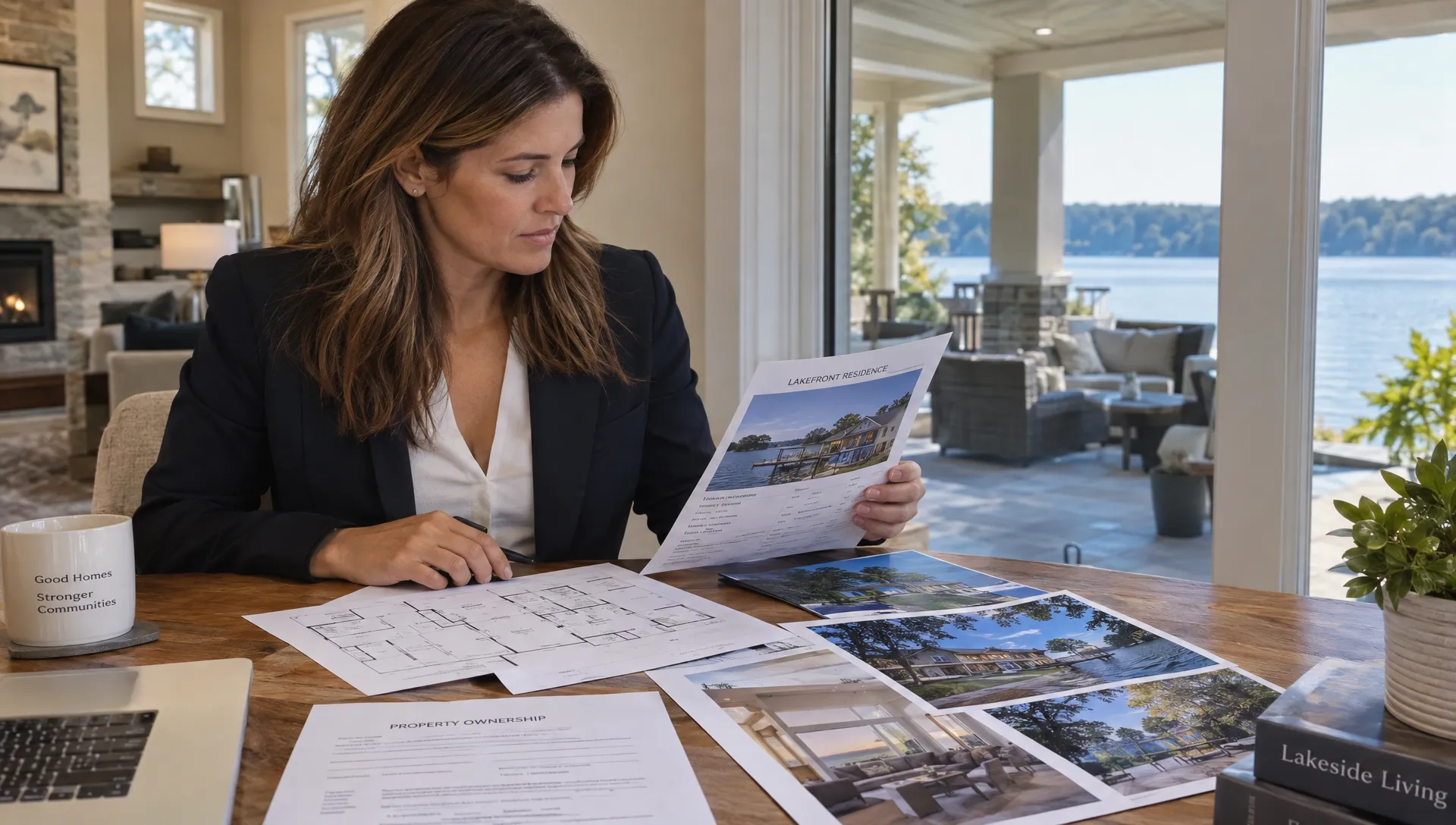
Publish a coordinated set of assets
A second home real estate campaign needs more than one attractive reel. Give each asset a distinct job so buyers can move from initial interest to practical evaluation without encountering conflicting information.
Use a short vertical version for discovery, with captions that remain readable on a phone. Keep a more complete property video on a listing or dedicated property page, where buyers can also review photographs, the floor plan and current details. Adapt the framing rather than cropping away a feature mentioned in the narration.
Match the video's opening promise to its destination. A reel about a property suitable for extended stays should lead to information about the actual home, not a generic agency contact page. Diane's guide to using video alongside real estate listing sites explains how those assets can complement each other.
If you are reviewing presentation options for a property page, a luxury real estate website demo can provide a visual reference for property cards and page hierarchy. Treat it as a design example, not a source of property information, and replace all placeholder material before publishing.
Use a consistent inquiry action across versions. “Request the ownership information sheet” is more useful than switching between several unrelated offers. Check each destination on mobile before the campaign goes live.
Measure qualified interest, not just plays
For second home real estate marketing, useful performance signals show whether the video helped a buyer take a meaningful next step. Views alone cannot tell you whether someone understands the property or intends to visit.
Track requests for the floor plan, ownership information downloads, live-tour bookings and in-person appointments where your available tools allow it. Add a consistent campaign label to links so you can distinguish traffic from different video versions. A simple inquiry log can capture what automated tracking misses.
Ask prospects what remained unclear after watching. Repeated questions about stairs, road access or outdoor space reveal missing content. They are often more actionable than a modest difference in total plays.
Change one major element at a time when comparing versions. Test the opening scene or the closing offer while keeping the rest broadly consistent. Otherwise, you will struggle to identify what influenced the response.
Assess lead quality through the conversation: intended use, purchase timeline and readiness to arrange a viewing. Avoid treating a low inquiry count as failure if the video is helping unsuitable prospects rule the property out before either party spends time on travel.
Frequently asked questions
How long should a second-home listing video be? Start with a focused introduction of roughly 45 to 90 seconds, then provide a longer walkthrough or live tour when the property requires it. Choose the length according to the information needed, not an assumption that every channel needs the same edit.
Should second home real estate videos emphasize rental income? Only when rental use is relevant and the supporting information is verified. Separate current permissions from projections. Do not imply guaranteed occupancy, earnings or that a buyer's proposed use will qualify under lending, insurance or local rules.
Can listing photos replace an on-site video shoot? They can support a narrated introduction, particularly when the images are current and comprehensive. They do not replace continuous footage for explaining circulation, access or details outside the photographed frame. Offer a live tour when those questions matter.
What ownership details should accompany the video? Provide the information available for that property, such as current HOA documents, known rental restrictions and relevant maintenance arrangements. Date time-sensitive information, identify estimates and make required disclosures available through the appropriate process.
Create a buyer-ready second-home video
Start with one listing and one clear ownership scenario. Verify the claims, build a concise visual story and give remote buyers a practical reason to respond.
When the brief is ready, create your property video with Diane using the listing details and approved imagery. Review the finished video for accuracy before publishing, then use buyer questions to decide what the next version should explain.